- Content Production
10 July 2026
From SEO to GEO: marketing in the AI-first era
As part of our whitepaper ‘The vision of 27 marketers and content creators for 2026’, we asked search marketeer Pieter...
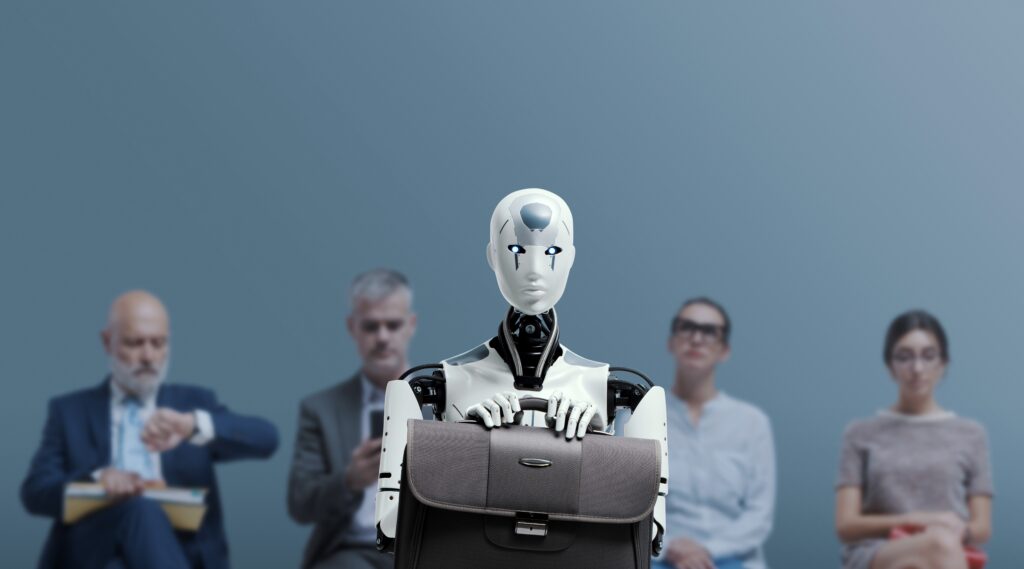
The more AI-generated content floods our feeds, the more we, as consumers, long for content created by real people. We don’t want fake, we want the real thing.
But how can you tell whether a text or image was created by AI or by humans? That’s becoming increasingly difficult. Research shows that people can barely distinguish the difference anymore. Yet, when consumers find out a piece was produced by AI, they often feel deceived (research from Forbes). Deceived, because they assumed the content came from people. And people prefer to hear the perspective of another person, not a bot.
It’s high time we embrace more transparency around the use of AI in content production. And we’re not the only ones who think so. Our own survey among content creators showed that only 17% believe transparency about AI use isn’t necessary.
Policy makers are also stepping in. Earlier this year, Flemish Media Minister Cieltje Van Achter (N-VA) announced new rules for broadcasters and influencers, requiring them to clearly indicate when content has been created or manipulated by AI (source: HLN). Likewise, the Belgian Advertising Council recently launched 12 ethical guidelines for AI use. They, too, call for transparency:
“Human AI-generated or manipulated content, such as images of real people, should be explicitly recognisable as such, for example through labelling. Otherwise, there is a risk of deception, especially when AI-generated content mimics human presence, authority or authenticity.”
The European AI Act also makes transparency mandatory in certain forms of content creation, such as deepfakes. It must also be clear when you’re interacting with a chatbot.
At Mediaforta, we launched our own AI Index this August, disclosing how much AI we use in our content.
Transparency has a direct benefit: it builds consumer trust. If companies have to state the degree to which AI was involved in their content, it will also encourage them to keep investing in human content creators. After all, what brand wants to be associated with 100% AI-generated content?
People connect with people. And the more AI-generated content floods the web, the more we’ll crave authentic human perspectives, opinions and quotes. That’s why mandatory transparency can’t come soon enough. We want the real thing. Or at the very least, we want honesty.


