- Content Production
10 July 2026
From SEO to GEO: marketing in the AI-first era
As part of our whitepaper ‘The vision of 27 marketers and content creators for 2026’, we asked search marketeer Pieter...

As part of our whitepaper ‘The vision of 27 marketers and content creators for 2026’, we asked Glenn De Wilde, founder of Podio, for his vision for 2026 and two practical tips he would give to readers. You can read his response below.
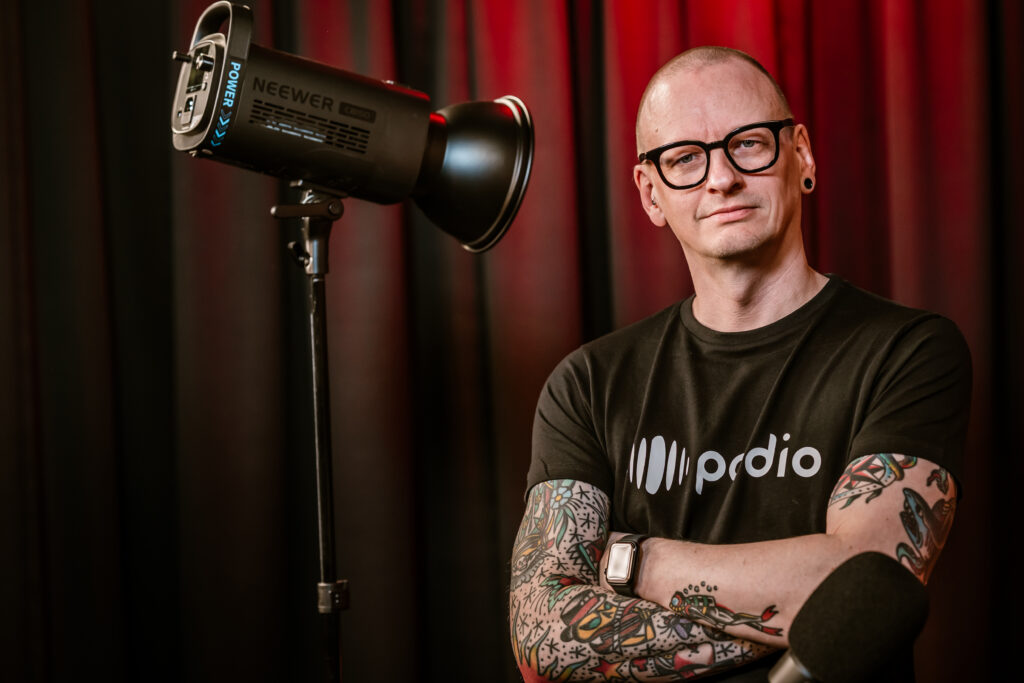
Who is Glenn De Wilde?
Glenn, the driving force behind Podio, is a content marketer with a strong passion for audio and video production. He produces professional podcasts for a wide range of clients, from small businesses to large organisations such as Facilicom, Sodexo, SD Worx, Atlas Copco, BeMatrix, and De Standaard. With more than 15 years of experience in audio and video editing, Glenn sees podcasting as a natural next step – combining storytelling, sound, and strategy into one powerful medium.
By 2026, podcasting – especially in the business and marketing world – will have evolved from a creative experiment into a fully integrated strategic channel. The biggest shift is from producing shows to producing results. Companies are no longer asking, “Should we start a podcast?” but “How can a podcast help us reach our business goals?” That mindset brings clearer positioning, narrower target audiences, and sharper storytelling.
The first key trend is strategic maturity. Organisations treat podcasts like any other marketing channel: with objectives, KPIs, and integration across departments. A show might support employer branding, sales enablement, or thought leadership – but always as part of a bigger plan. Downloads matter less; business impact matters more.
Second, podcasts are becoming multi-format content engines. One recording now fuels many outputs: a long-form episode, a video version, short social clips, quote visuals, blog posts, and internal training snippets. This “one recording, many uses” approach multiplies return on effort and keeps the podcast relevant across channels – owned, earned, and paid.
Third, integration with paid media is accelerating. Relying solely on organic reach limits growth, so brands are promoting episodes through LinkedIn, YouTube or Meta ads to reach new, highly specific audiences. A podcast episode can drive traffic to landing pages, lead magnets, or event sign-ups. In other words, podcasts are not replacing traditional campaigns – they enhance them.
A fourth trend is professionalisation in production quality. Audiences expect polished sound and visuals, not improvised webcam sessions. Companies invest in consistent studio setups, stable workflows, and hybrid production models – recording internally while outsourcing editing, branding and publishing. Quality is not vanity; it’s brand consistency.
Finally, data and performance tracking are maturing. Beyond downloads, marketers are measuring qualitative and quantitative impact: website sessions originating from podcast pages, new leads referencing specific episodes, or job applicants mentioning the show. Podcasts are no longer “nice to have”; they are measurable, scalable media channels that feed into marketing automation, CRM, and HR pipelines.
In short, by 2026 the leading organisations will use podcasting as a strategic business tool – integrated across marketing, sales, and communications, with clear goals, professional quality, and measurable results.
Before you buy microphones or design a jingle, define what your podcast should achieve. Is it meant to attract leads, strengthen your expert position, or support recruitment? Write down the concrete business outcomes you expect in the next 6–12 months, then decide who you need to reach and what next step you want listeners to take. This focus determines your format, tone, guests, and promotion strategy. A podcast built on business goals becomes a measurable marketing asset instead of a creative hobby.
Don’t stop once the episode is published. Plan a repurposing workflow: transform each recording into multiple social clips, blog posts, quote graphics, email teasers, or video snippets for LinkedIn and YouTube. Add QR codes or links in offline materials to extend reach beyond digital. Make repurposing a fixed part of your production cycle, not an afterthought. Combined with occasional paid campaigns to boost visibility, this approach turns every episode into a powerful driver of content, awareness, and leads.
Would you like to discover the other 26 marketers’ and content creators’ visions for 2026? Download the whitepaper here.


